
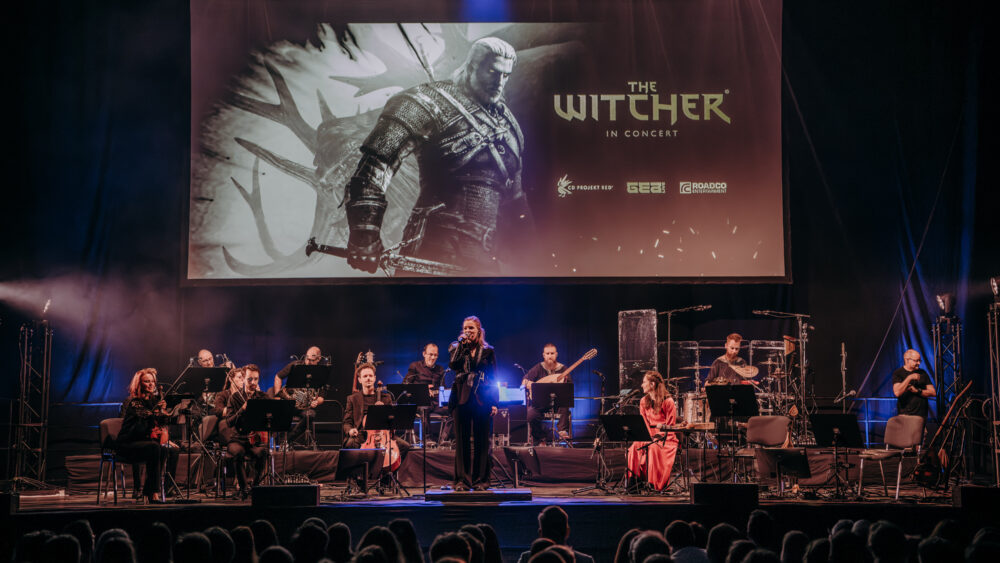
You didn’t have to have read all the short stories and novels that Andrzej Sapkowski wrote about The Witcher. You didn’t have to have watched all the movies and TV series based on the white-haired Geralt of Rivia. Finally—you didn’t have to be a computer game enthusiast to soak up every minute of the “The Witcher: Music of the Continent” show. And the word “show” instead of “concert” isn’t used here by accident—because what we experienced at Atlas Arena on the first Sunday of November, just as the organizers had promised, was definitely something much bigger than an ordinary concert!
Curiosity got the better of me
If anyone finds the claim I made at the outset too bold, I hasten to add that I myself am the best proof of it (though I know there were many more people like me in the audience). I’ve never played The Witcher, I’ve never really gotten into fantasy books, and the only film clips I’ve ever seen related to The Witcher are trailers for various productions that later appeared on the big or small screen. Despite that, I didn’t hesitate for long before deciding to attend the live event we had the pleasure of hosting in Łódź.
First of all, I was drawn by the presence on stage of Percival Schuttenbach, a group whose work I greatly admire and whom I’ve already had the chance to see live—albeit in a much smaller venue. Second, I’m always intrigued by innovative multimedia projects like this. And thirdly—the knowledge that something with an international reach was coming to town also played a role. Because the list of places around the world where “Music of the Continent” has already been performed or will soon be performed is truly impressive. And it’s worth noting that for most of these venues, sooner or later, the word “sold out” appears.
Completely smitten
To be fair, “lay Witcher fans” like me were, of course, in the minority that evening. Judging by their attire and listening to the chatter before the show began, it was easy to tell that the vast majority of those gathered on the floor and in the stands were—to use political terminology—the “core fanbase” of the cult series. But even they, both during the intermission and after the show ended, generally gushed with delight over what they had just experienced. And the enthusiastic posts on social media that followed served as a complement to those spontaneous reactions.
Because even though *The Witcher: Music of the Continent* is an innovative project in every sense of the word, nothing was left to chance. On the contrary—every aspect has been refined down to the smallest detail, which is why this nearly two-hour journey following the adventures of a hero with superhuman abilities was so fascinating. And so deeply memorable!
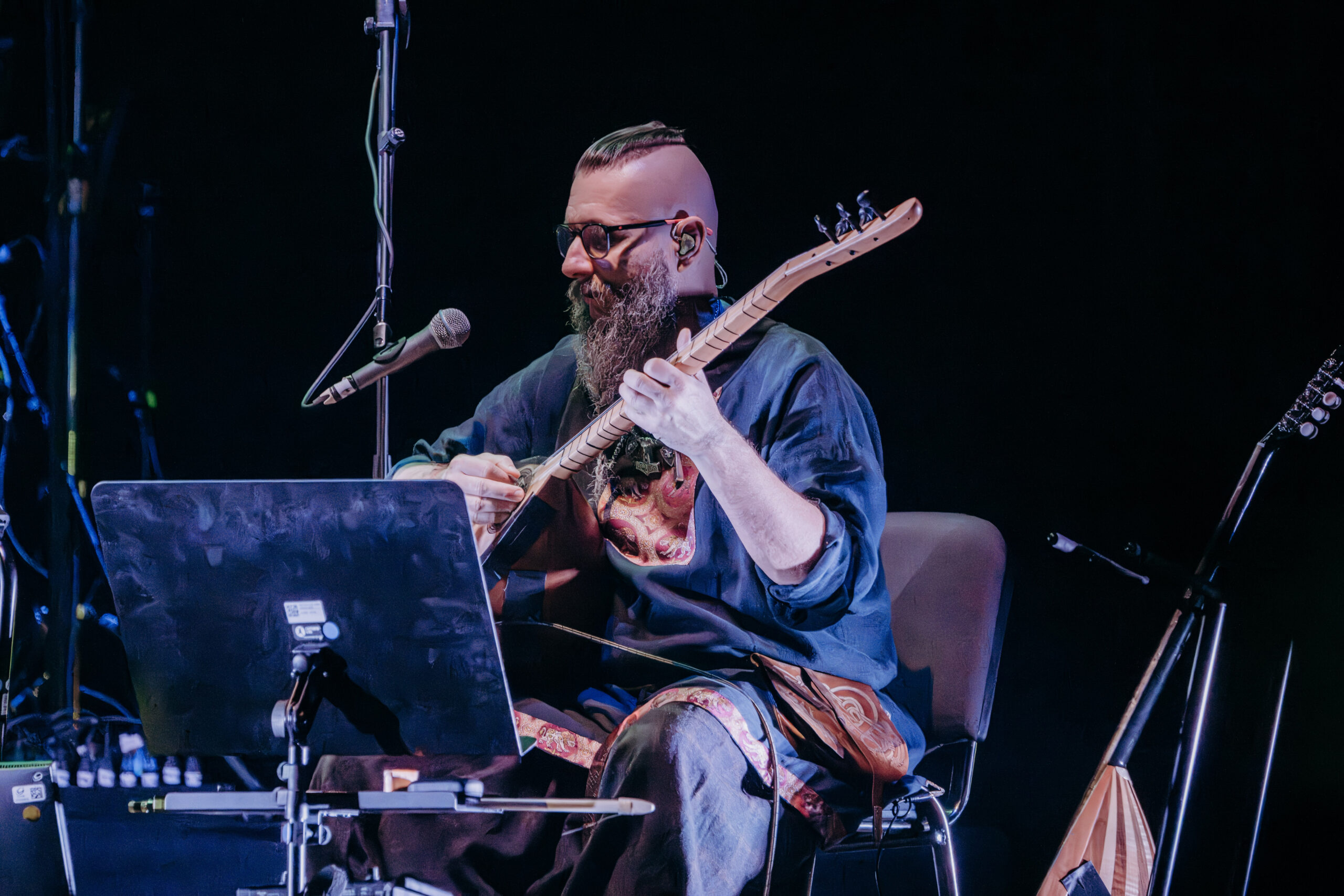
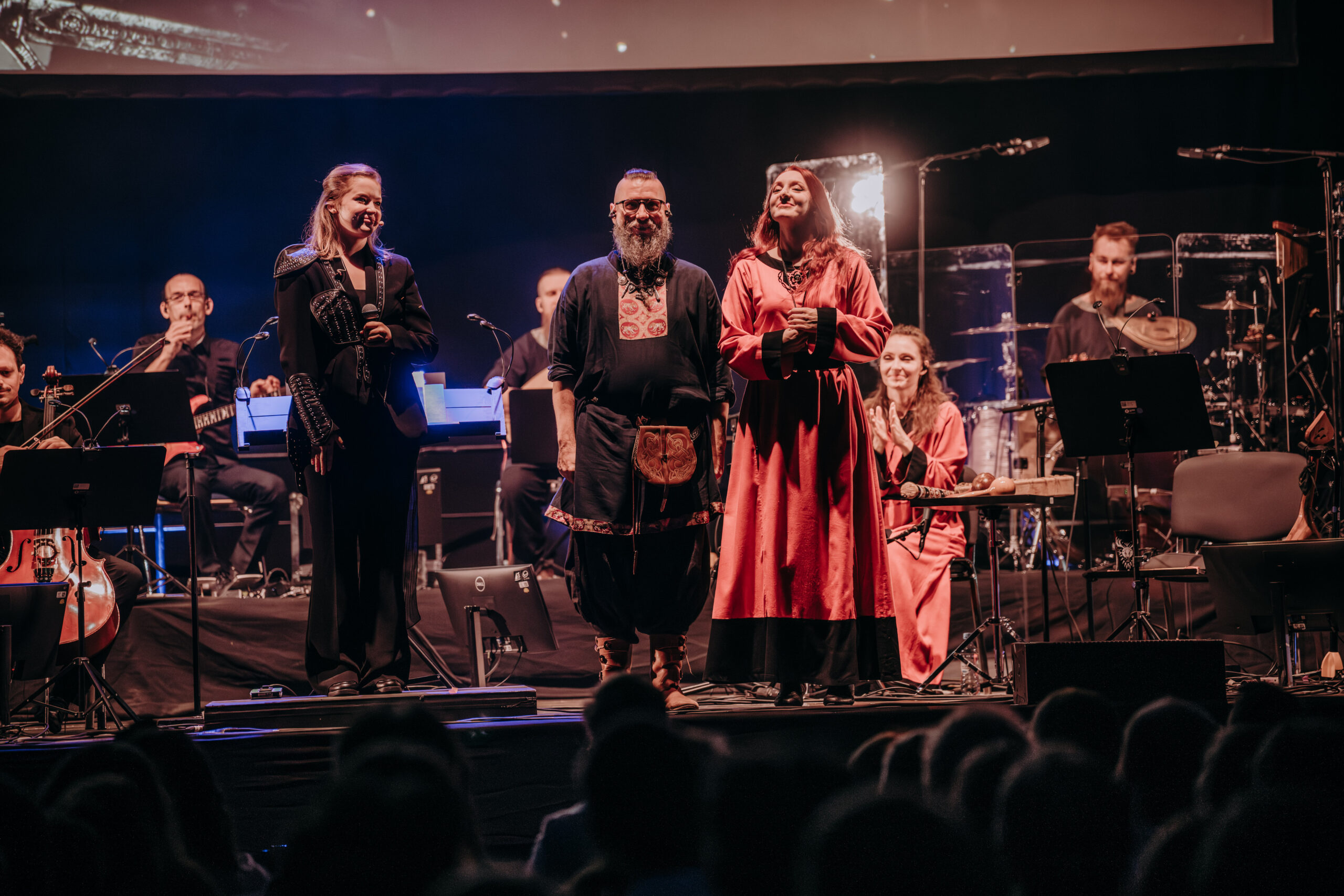
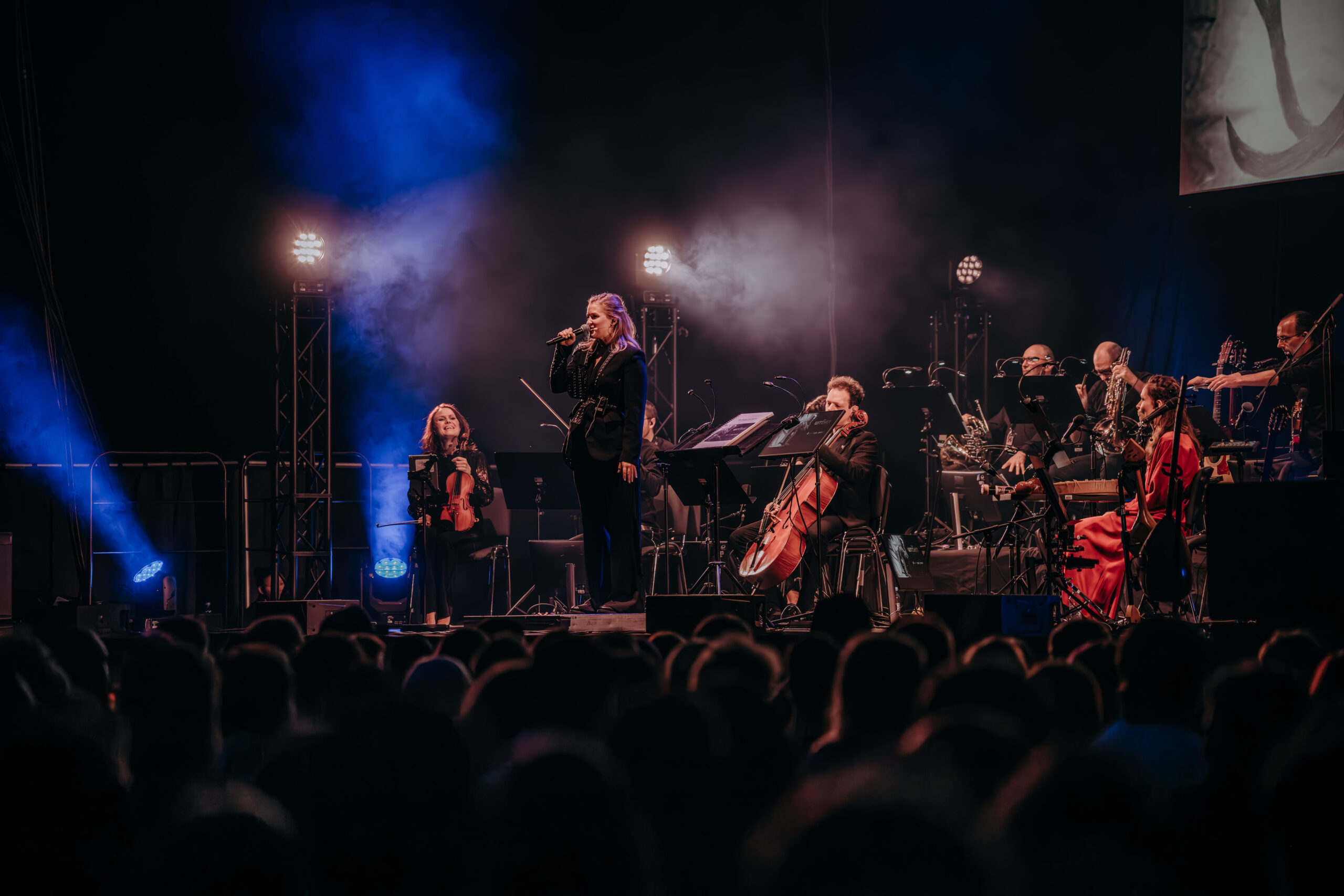
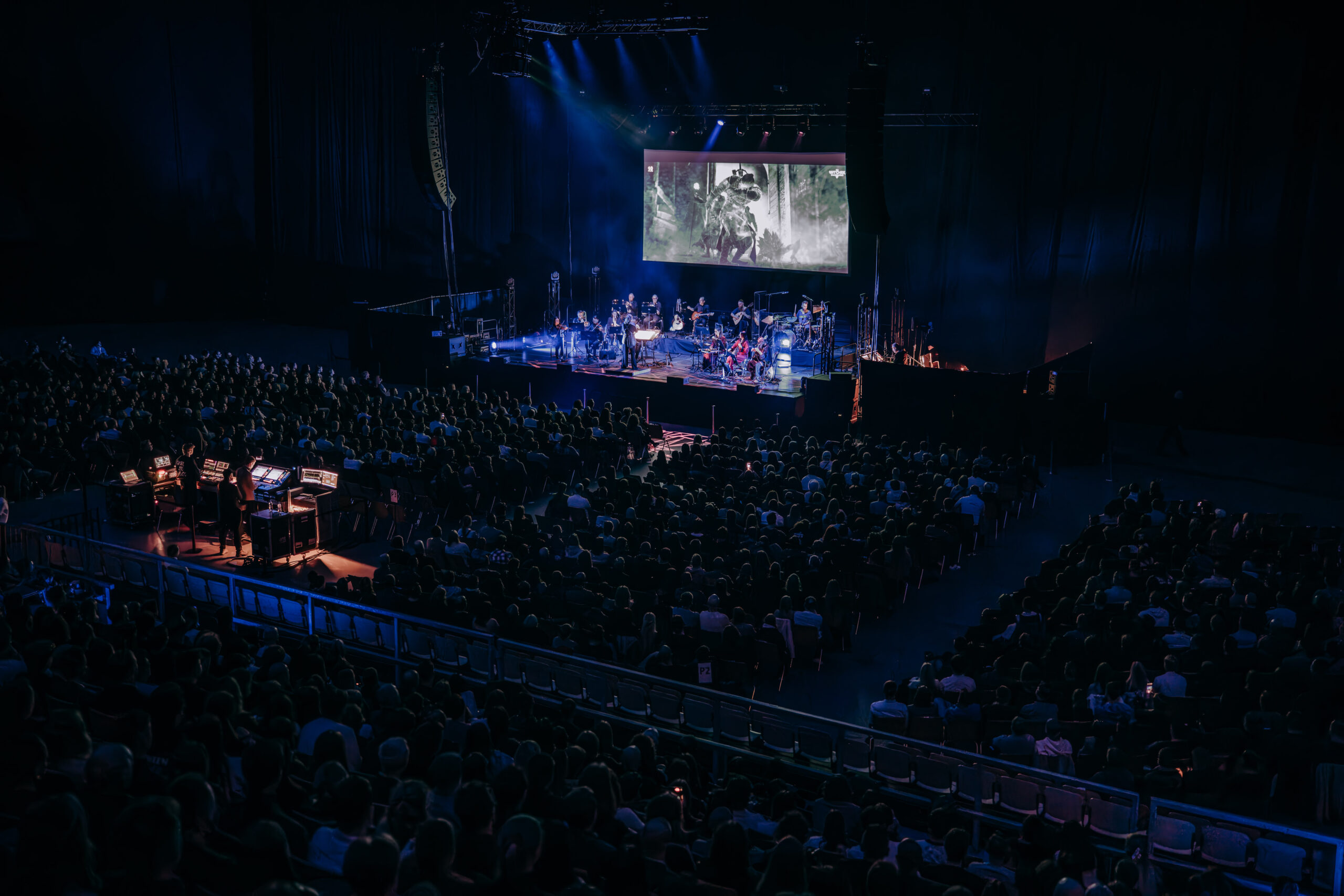
Photo: Radoslaw Zydowicz
A feast not just for the ears
The overall setting certainly played a major role in the overall experience. The stage and the large screen behind it were designed to resemble a giant movie theater: the massive screen took up nearly the entire width of the stage and, during musical performances, displayed selected scenes from the game *The Witcher 3: Wild Hunt*, which recently celebrated the 10th anniversary of its release. Each segment harmonized perfectly with the music emanating from the instruments. And since there was so much happening on the screen—from epic landscapes to dramatic battle scenes to poignant personal sequences—there was certainly no room to complain about monotony in the sounds either. This combination of visuals and music gave the impression that, among a crowd of several thousand, we were watching a “live film” in which the orchestra and other performers were part of the narrative. According to official press releases, the concert would combine gameplay with an orchestral performance of the original soundtrack—and that’s exactly how it played out live.
The idea is one thing, but the execution is another. And here, credit must be given where credit is due! The undisputed star of the evening—in arrangements faithful to the original themes—was the symphony orchestra known as the Papageno Orchestra. In the designated sections, the aforementioned Percival Schuttenbach (often credited simply as Percival) also did a brilliant job; he co-created and co-composed some of the folk motifs well-known to fans of the game. As we could read in advance in the promotional materials, the music—originally composed by, among others, Marcin Przybyłowicz, Mikołaj Stroiński, and Piotr Musiał—was refreshed and arranged for this year’s tour to sound monumental on a large stage while retaining the intimate character of certain folk songs. In practice, this meant that successive performances blended the powerful sounds of the strings and brass section with Percival’s raw, folk instruments—drums, bagpipes, singing, and characteristic archaic phrases. The result of this unique blend was moments full of pathos (especially in battle scenes) interwoven with melancholic melodies (when scenes depicting the relationships between the main characters appeared on screen).
A harmonious balance
The show’s setlist was structured as a journey through the story of *The Witcher 3: Wild Hunt*. We were treated to opening themes that built suspense, as well as themes accompanying key characters (besides Geralt, our attention was drawn to Ciri and Yennefer, among others). At the very end, we were treated to epic final compositions that further underscored the artistic scope of this undertaking. It’s also worth mentioning that the whole performance was divided into chapters corresponding to events in the game. And just as the organizers had warned—the presentation contained various spoilers from the game, though this didn’t seem to bother anyone. For those who had already played, it likely only intensified the experience, and for newcomers like me, it was a narratively engaging bonus.
A big round of applause is also due to the sound engineers responsible for the day’s audio. After all, making sure that both the orchestra and Percival sounded clear while maintaining the right balance between them in a venue as spacious as the Atlas Arena was by no means an easy task. However, it was clear that the shows in the “The Witcher in Concert” series (as the tour is known in English) are organized in collaboration between FKP Scorpio, GEA Live, and RoadCo Entertainment—renowned producers of entertainment events in over 40 countries worldwide. Thanks to this, the strings didn’t get lost behind the power of the drums, and Percival’s vocals and folk instruments were clear to everyone from start to finish. In summary—the repertoire, which combined an orchestra with folk instruments, truly formed a cohesive whole, which is crucial in projects of this kind.
A baton without any false moves
Words of praise are also in order for Polis Persepolis—who skillfully guided this highly musical ensemble on stage. Paulina Porszke, as the conductor of the European leg of *The Witcher* tour is actually named, demonstrated in Łódź that it is no coincidence she has been a highly regarded composer and arranger for years. At Atlas Arena, she effortlessly ensured that the concert’s tempo was synchronized with the sequences displayed on screen—the crescendos perfectly coincided with battle scenes, and the delicate, lyrical motifs harmonized beautifully with portraits of individual characters or enchanting landscapes. Personally, I was most captivated by the moments when the orchestra and Percival played together—the contrast between the top-tier polyphonic sound and the folk-rooted motifs incredibly added to the drama of the experience.
But the concert, held on All Souls’ Day, was more than just a unique celebration of music and a reminder that *The Witcher 3: Wild Hunt* took the art of creating video game soundtracks to a whole new level a decade ago. It was also a celebration of just how huge a global phenomenon the *Witcher* brand has become. With all due respect to other Polish writers, there is—and likely won’t be anytime soon—any other literary hero, created in Poland, who is so widely recognized in every corner of the globe. Even if certain authors (especially crime novelists) continue to publish new works every few months, the characters they create will not permeate pop culture to the same extent as The Witcher has. Because—as we established at the outset—The Witcher is loved by bookworms, comic book fans, movie buffs, TV series junkies, and, of course, those who are willing to stay up late night after night just to complete another set of missions in front of their computer screens. It’s no surprise, then, that if one were to compile a catalog of all the merchandise featuring the brave monster hunter currently on the market, the result would be—nomen omen—quite a voluminous tome.
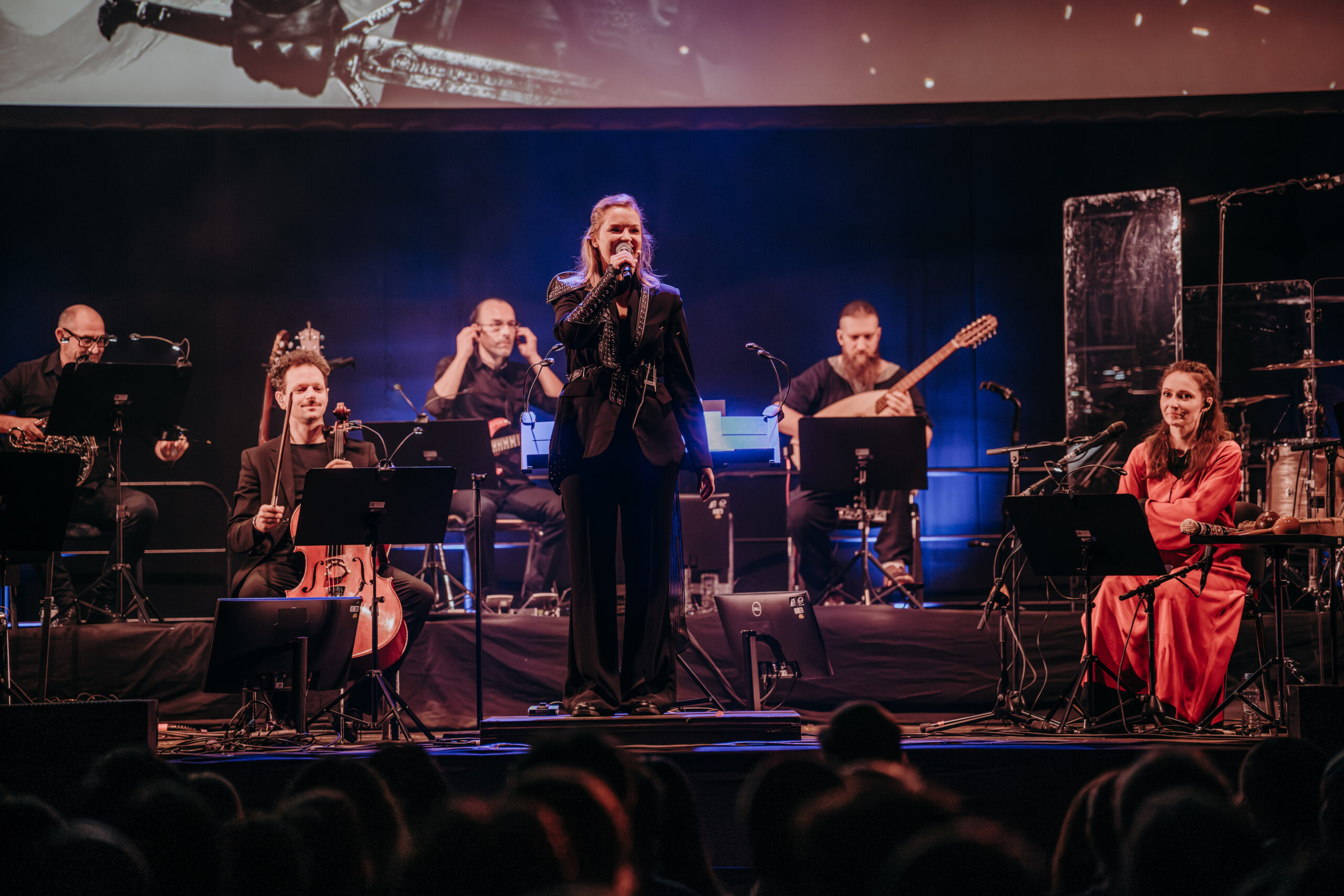
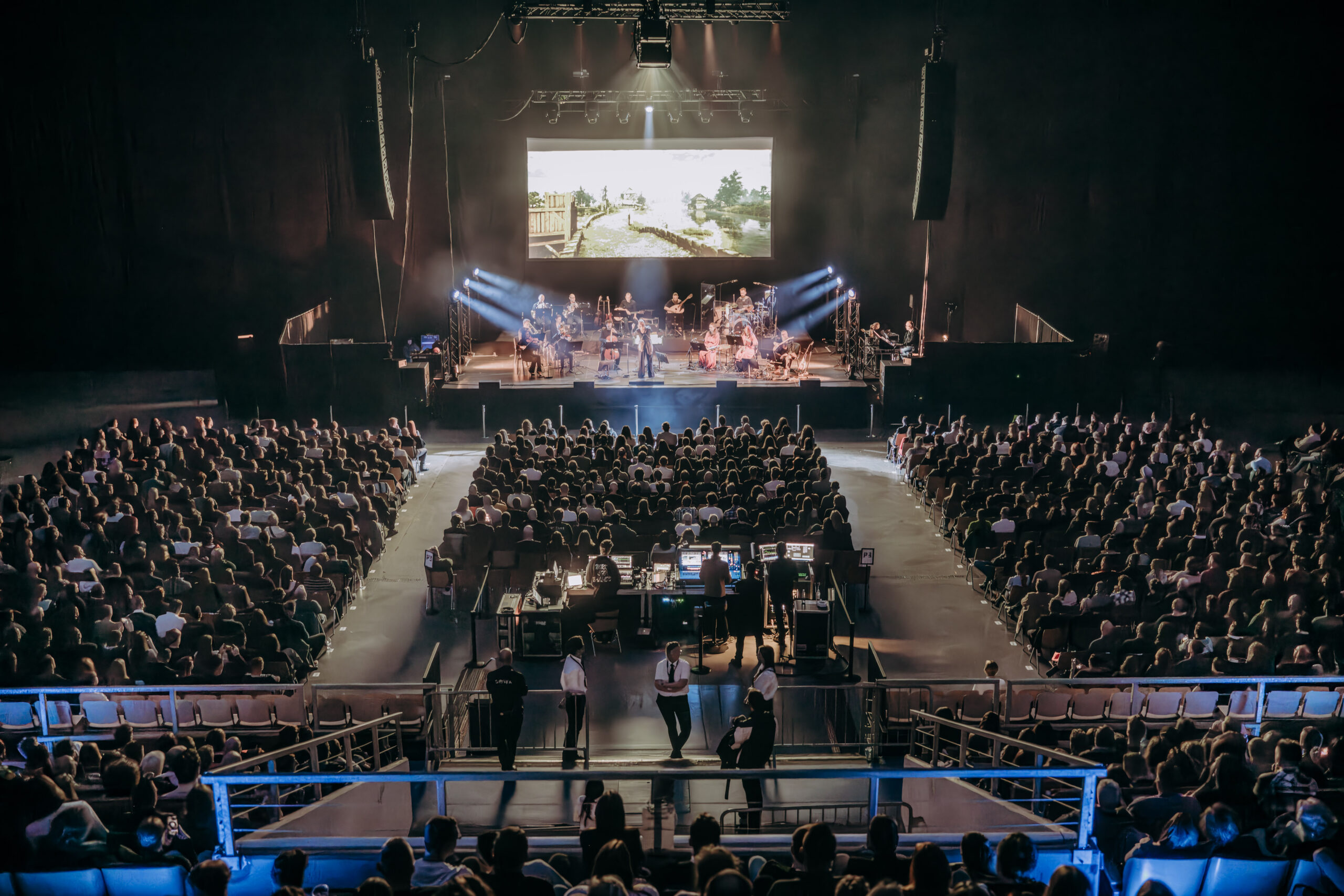
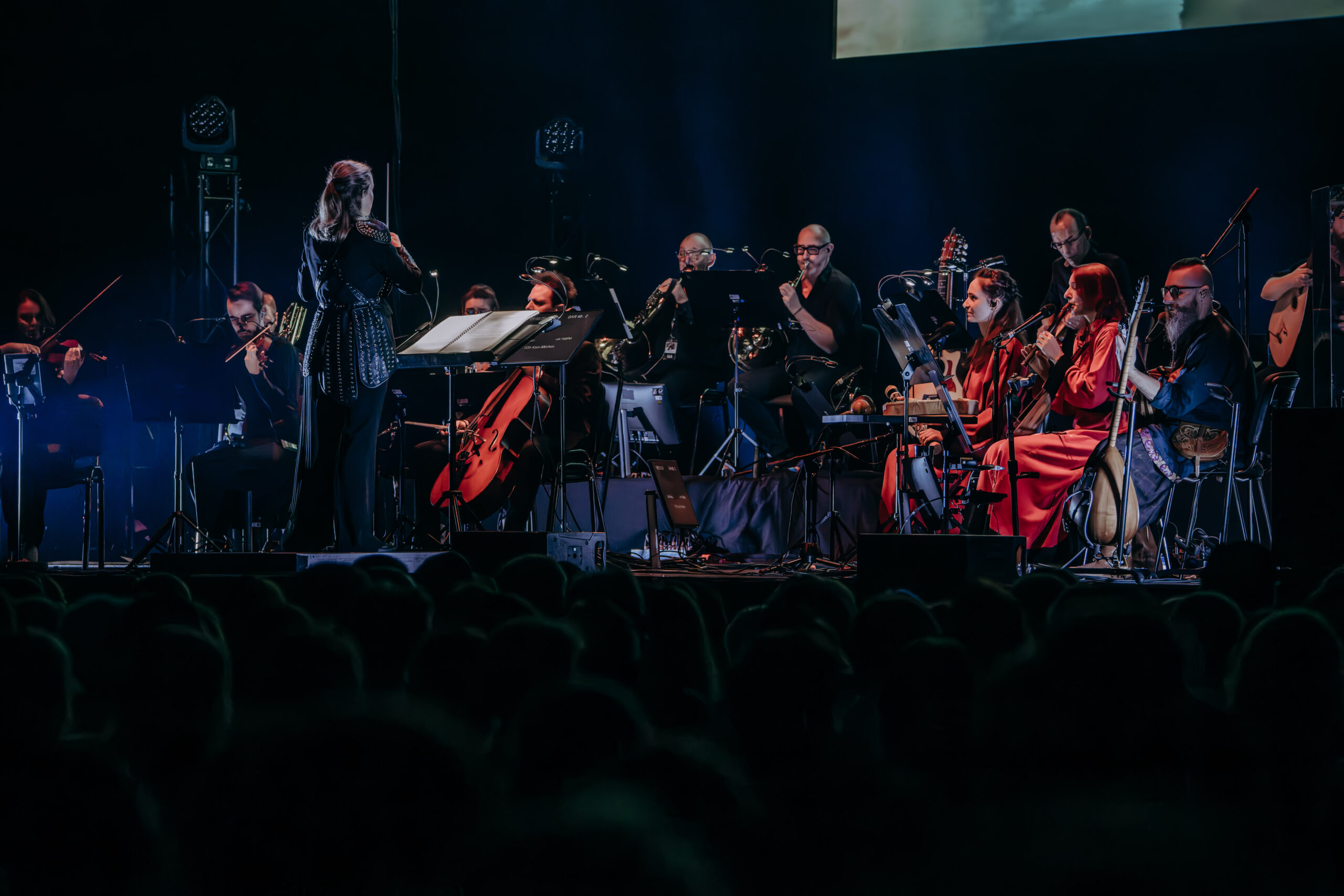
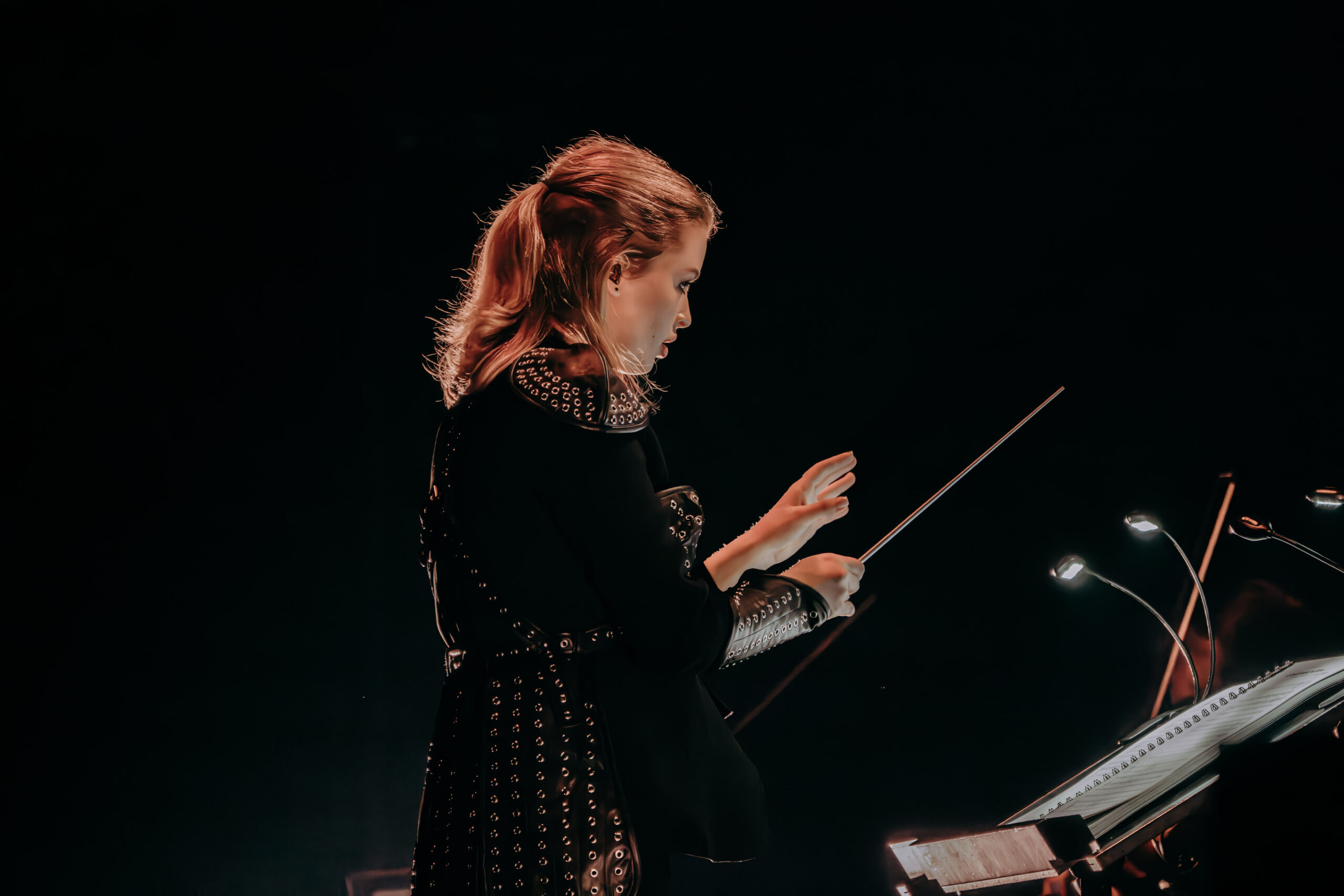
Photo: Radoslaw Zydowicz
City Ambassador
The stop on the “The Witcher: Music of the Continent” tour at Atlas Arena had yet another extremely important aspect to it. We must not forget that Andrzej Sapkowski—the creator of the saga about the fearless beast slayer—was born in Łódź, is a graduate of the University of Łódź, and has been an Honorary Citizen of the City of Łódź for over a dozen years. It is therefore no exaggeration to say that on that day, the Witcher returned home for a moment. As someone who was also born in Łódź and has lived in this city for many years, I’ll venture to say that for a significant portion of Łódź residents, the Witcher’s return this November had a symbolic dimension and was a source of pride.
Now all that’s left is to be patient and see what the creators of the fourth installment in the series—dedicated to the adventures of the deeply complex Geralt of Rivia—come up with, both in terms of gameplay and the soundtrack. A glimpse of the mystery—to build suspense—was revealed during the show in Łódź, but we’ll have to wait quite a while for the final result of these efforts, as the earliest possible release date is reportedly not until 2027. In the meantime, all we can do is enjoy what has been composed, written, and recorded about The Witcher so far. I—riding the wave of emotions sparked by the multimedia spectacle (which is also a very apt description of the entire event at Atlas Arena!)—have already watched the film adaptation of The Witcher from nearly a quarter-century ago, and I’m growing increasingly eager to read at least one of Master Sapkowski’s novels…
Bartek Król– A lawyer by education, a journalist by profession. He has worked in various roles in the media for over two decades. His greatest passion is travel—he has visited nearly 50 countries so far and can’t wait for his next adventures. He’s lost count of the concerts he’s attended, but there have certainly been “over three hundred.” He listens to albums while running, among other things—he can often be spotted on the trails of Łódź and the surrounding region. He prefers dark and fairly heavy sounds, but he’s also enthusiastic about artists who perform completely different kinds of music.